
Mikael Bellman's Bid for Control
The Leopard (Jo Nesbø Edition)Mikael Bellman tries to turn a murder investigation into leverage for centralizing police authority, then discovers that power depends on fragile alliances and public trust.
increasing Bearing strength in each event
 decreasing
Bearing strength in each eventdecreasingA Career Above the Case
A Career Above the Case
The institutional opportunity
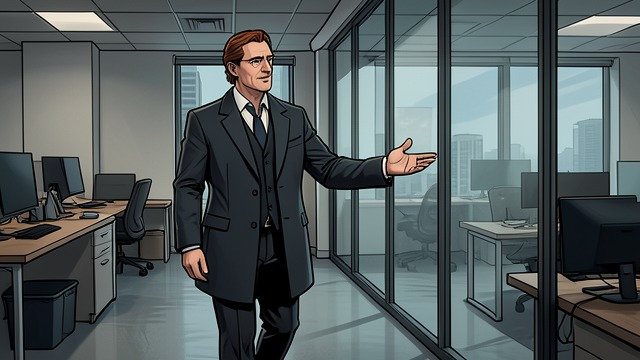
Mikael Bellman returns to Norway with ambitions that extend beyond solving individual murders. He sees a dispute between Kriminalamt and Oslo's murder investigators as an opening to consolidate authority in the institution he leads.
His polished public manner helps him present institutional expansion as practical reform. Behind that language is a personal calculation: greater control would place him nearer the top of the police hierarchy.
Results as political currency
The serial murders become a test of which organization deserves jurisdiction. Bellman recognizes that a successful case could outweigh years of argument about resources and procedures.
This makes the investigation more than a search for a killer. Every discovery can be used as evidence in a bureaucratic contest, and every delay threatens Bellman's professional standing.
Watching Harry Hole
Watching Harry Hole
A rival kept under observation
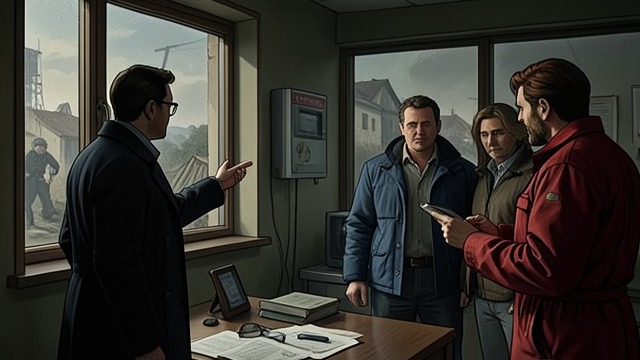
Bellman learns that Harry Hole has been brought back to Oslo and has reason to believe that Harry may interfere with the Kriminalamt's handling of the case. He places pressure on the situation through surveillance and the use of Jussi Kolkka and Truls Berntsen.
When Harry reaches the Frognerbadet crime scene, Bellman turns procedural authority into a weapon. He orders the arrest on a technicality and makes Harry's precarious professional position part of the threat.
Managing the appearance of control
The arrest removes a rival from the investigation, at least temporarily, and signals Bellman's willingness to control access as firmly as he controls information. But the maneuver also reveals anxiety: Harry's experience is valuable precisely because the official team has not produced a breakthrough.
Bellman's approach deepens the conflict between institutional success and public safety. He can restrict Harry's movements, but he cannot make the unsolved murders disappear or compel the evidence to cooperate.
A Convenient Scapegoat
A Convenient Scapegoat
Rewriting the failure
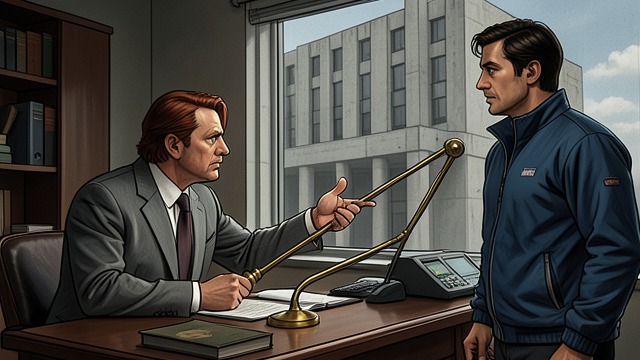
When Tony Leike's alibis undermine the arrest, Bellman faces public embarrassment and the risk of legal and political consequences. He proposes that Harry take responsibility for the mistaken arrest, allowing the Kriminalamt to distance itself from the error.
He uses the opium found in Harry's home as leverage. The offer is not a genuine search for accountability; it is a transaction designed to protect the institution and Bellman's own position.
A temporary victory
Harry signs the statement while exhausted and vulnerable, and Bellman leaves with a version of events that can be presented as orderly damage control. The apparent resolution depends on Harry's willingness to carry the blame.
The bargain demonstrates how Bellman converts authority into pressure. It also creates a liability that can later be turned against him, because his attempt to conceal the institutional failure leaves a trail of decisions that may be examined once the case changes direction.
The Lockwood Strategy
The Lockwood Strategy
Turning a witness into bait
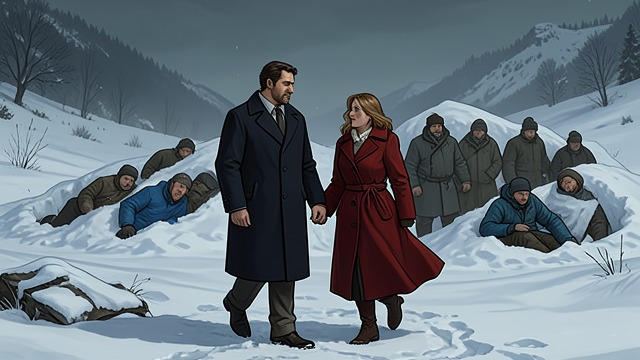
Bellman plans to use Iska Peller as a publicized lure, hoping the killer will respond to the news that she will return to the Hävasshütte. The operation is also a chance for him to control the story and display the Kriminalamt's ability to act decisively.
Harry's alternative plan keeps Peller out of immediate danger while using an investigator to represent her. Bellman accepts it because the strategy offers a chance to catch the killer without surrendering command of the operation.
Shared danger and hidden costs
The plan ends in a bomb-triggered avalanche. Bellman survives, but Jussi Kolkka dies, and Kaja Solness and Harry are buried beneath the snow.
The disaster exposes the limits of Bellman's managerial control. An operation can be carefully staged and still be disrupted by a person who knows the terrain and can exploit the investigators' assumptions. Bellman's command has to coexist with Harry's practical judgment if the hunt is to continue.
The Fragile Settlement
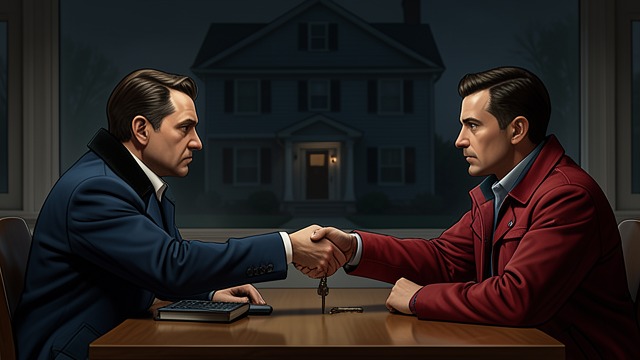
The Fragile Settlement
Trading justice for advantage
Bellman negotiates with Johan Krohn and Sigurd Altman, agreeing to a private arrangement that promises Bellman credit for the case while helping Altman avoid the full consequences of his involvement. He understands that the deal can strengthen his standing after the public embarrassment of Harry's sidelined investigation.
The negotiation makes Bellman's priorities visible. He is willing to treat a complex account of multiple deaths as political currency if the resulting story appears simple enough for the public and the Ministry.
A reversal of fortune
Bellman signs the agreement believing he has protected his career. Later, Gunnar Hagen reveals leverage concerning Bellman's past conduct and the protection of Ulla Swart, giving Bellman a reason to reconsider his support for centralization.
Bellman is not shown making a clean moral conversion. Instead, the balance of power shifts: a man who has used leverage to constrain others must now decide whether to accept a less absolute arrangement. His institutional future remains tied to the same compromises that made his rise possible.
When Bellman returns from Europol
After Harry Hole returns to Oslo
After Tony Leike's arrest
During preparations for the Hävasshütte operation
After Altman's arrest and before his release
